


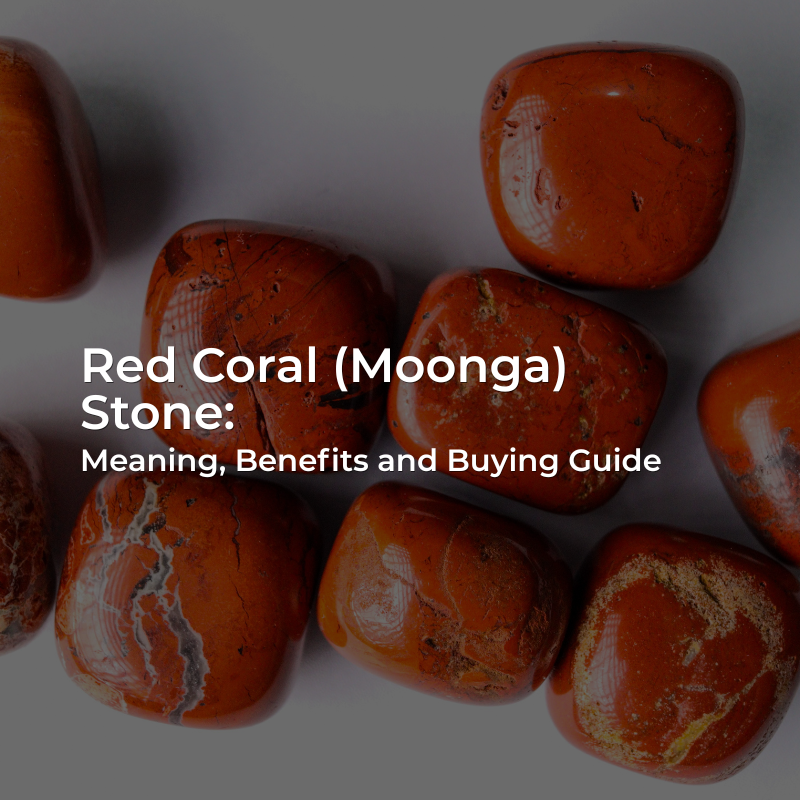
Red Coral (Moonga) Stone: Meaning, Benefits and Buying Guide
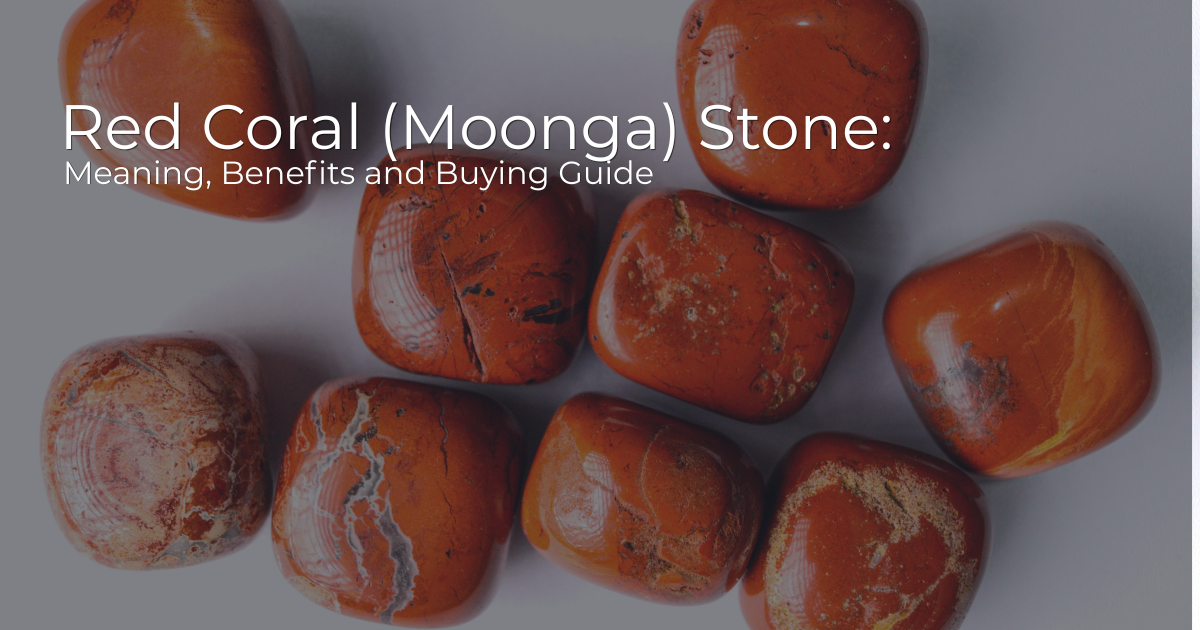
Red Coral, known as “Moonga” in Hindi, is one of the most powerful gemstones in Vedic astrology. Unlike most gemstones that are mined from the earth, Red Coral is unique in that it’s formed in the ocean — created from the skeletal remains of marine organisms called coral polyps. This organic origin is part of what makes it so distinctive, both scientifically and astrologically.
If you’re considering wearing Red Coral or simply want to understand its significance, this guide covers everything you need to know — from its meaning and benefits to how to buy an authentic stone.
What is Red Coral (Moonga)?
Red Coral is a gemstone formed from the calcium carbonate skeletons of coral polyps found in deep ocean waters. Over time, these skeletal structures harden and take on the vivid red, orange-red, or deep red hues that make Red Coral so recognisable. The finest quality Red Coral is sourced from the Mediterranean Sea and parts of the Pacific and Atlantic oceans.
In Vedic astrology, Red Coral is associated with the planet Mars (Mangal), making it one of the primary gemstones recommended for those seeking to strengthen Mars’s positive influence in their birth chart.
Meaning and Astrological Significance
Mars is considered the planet of energy, courage, and action. It governs strength, ambition, and the drive to overcome obstacles. When Mars is weak or poorly placed in a person’s horoscope, they may face challenges related to confidence, health, or decision-making.
Red Coral is traditionally worn to:
- Strengthen Mars’s energy in a person’s astrological chart
- Counter the negative effects of “Mangal Dosha” (an astrological condition believed to affect marriage and relationships)
- Boost courage and willpower, especially for those in competitive or high-pressure fields
Astrologers often recommend Red Coral for individuals in professions like the military, sports, engineering, and surgery, where Mars’s qualities of strength and precision are considered beneficial.
Benefits of Wearing Red Coral
According to traditional belief, Red Coral offers several benefits to the wearer:
1. Boosts Confidence and Courage
Red Coral is believed to instil a sense of fearlessness and determination, helping wearers face challenges with greater resolve.
2. Supports Physical Strength and Vitality
Since Mars governs physical energy, Red Coral is thought to improve stamina and overall vitality.
3. Helps in Marital Harmony
For individuals affected by Mangal Dosha, Red Coral is often recommended to reduce conflicts and bring more stability to marriage and relationships.
4. Improves Decision-Making
By strengthening Mars, Red Coral is believed to help wearers become more assertive and decisive, reducing hesitation in important life decisions.
5. Protects Against Negative Energy
Red Coral is also considered a protective stone, traditionally worn to shield the wearer from negative influences and accidents.
Who Should Wear Red Coral?
While an astrologer’s guidance is always recommended before wearing any gemstone, Red Coral is generally suggested for:
- Individuals with a weak or afflicted Mars in their birth chart
- Those experiencing Mangal Dosha
- People in fields requiring courage, strength, or quick decision-making (defence, sports, surgery, engineering)
- Individuals seeking more confidence and assertiveness in daily life
It’s important to note that Red Coral is considered a “hot” or intense stone, and wearing it without proper astrological guidance may not suit everyone — particularly those with an already dominant or aggressive Mars placement.
How to Identify Genuine Red Coral
With the popularity of Red Coral, the market also has synthetic and dyed substitutes. Here’s how to check for authenticity:
- Colour consistency — Genuine Red Coral has a naturally rich, even colour. Dyed substitutes often show colour pooling in cracks or crevices.
- Texture and finish — Real coral often has a slightly porous, matte-to-glossy texture with subtle natural imperfections, unlike the artificial uniformity of plastic or glass imitations.
- Weight and feel — Natural coral feels denser and cooler to the touch compared to lightweight plastic imitations.
- Certification — Always ask for a gemological certificate confirming the stone is natural and untreated.
Buying Guide: What to Look for When Purchasing Red Coral
1. Certification
Always buy Red Coral with proper certification from a recognised gemological laboratory. This confirms the stone’s authenticity and ensures it hasn’t been artificially treated or dyed.
2. Colour Quality
The most valued Red Coral has a deep, uniform red colour, often referred to as “Italian Red” or “Japani Moonga” in the trade. Avoid stones with visible white patches or uneven colouring, as these typically indicate lower quality.
3. Source
Mediterranean Red Coral is generally considered the finest quality, though coral from Japan and Taiwan is also highly regarded. Ask your jeweller about the stone’s origin.
4. Weight and Carat
Red Coral is typically recommended in specific carat weights based on astrological consultation. Larger stones aren’t necessarily better — the right weight depends on the wearer’s individual chart.
5. Setting and Metal
Red Coral is traditionally set in gold or copper, as these metals are considered astrologically compatible with Mars. Silver settings are generally avoided for this particular stone.
6. Day and Method of Wearing
Astrological tradition recommends wearing Red Coral on a Tuesday (the day associated with Mars), typically as a ring on the ring finger or as a pendant, after following prescribed purification rituals.
Caring for Your Red Coral Jewellery
Since Red Coral is a softer, organic gemstone, it requires gentle care:
- Avoid contact with perfumes, chemicals, and cleaning agents
- Remove Red Coral jewellery before swimming, bathing, or exercising
- Store separately from harder gemstones to avoid scratches
- Clean gently with a soft, dry cloth only
Final Thoughts
Red Coral is a gemstone steeped in both natural beauty and deep astrological meaning. Whether you’re drawn to it for its believed ability to strengthen courage and confidence, or simply appreciate its striking red hue, it remains one of the most sought-after gemstones in Vedic astrology.